
Blog

  • Traditional Sales vs. Short Sales And Foreclosures

    short sales

    Home sales usually fall into one of three main categories: traditional sales, short sales, and foreclosures. For buyers, each has pros and cons, though generally speaking the cheaper properties are short sales and foreclosures. But if you’re a buyer, you need to keep in mind that these properties are usually cheaper for a good reason. The best route for you depends on your financial situation and your goals, especially whether you’re buying the property live in or as an investment. Let’s take a look, then, at traditional sales vs. short sales and foreclosures.

    Traditional Sales

    This is what first comes to mind for most of us. Traditional sales involve a seller and a buyer who agree to sell/purchase the property for a specific agreed-upon price. Although there may be circumstances causing the seller to sell, she is not being forced into it by a lending institution, as is the case with short sales and foreclosures.

    Short Sales

    With short sales, the money from the sale isn’t enough to fully cover the amount owed on the property, hence the term “short.” Because the seller has to get the lender to approve the sale price, there is nothing short about the amount of time a short sale takes. What a short sale does is allow the seller to avoid foreclosure. For buyers who are willing to wait after making an offer, short sales can yield some good deals.

    Foreclosures

    If a homeowner fails to make mortgage payments, the lender can issue a foreclosure notice, which states that the property will go into foreclosure after 90 days. If the payments aren’t brought current or payment arrangement isn’t made, the property goes to auction where individuals and companies can bid on it (usually with a set minimum bid). Often, the lender will take the property back with the intention of reselling it.

    Typically, foreclosures are great for buyers looking for good deals, but the complexities of the transaction can be pretty daunting. In fact, it can get downright ugly at times because people are being forced to give up their home. Owners are sometimes forced into foreclosure sales owing to things completely out of their control like an extended illness, job loss, or divorce.

    Foreclosure can be painful for the homeowner, but good news for the deal-hunting buyer. The bright spot for sellers is that they can exclude canceled debt from their income tax returns, and they no longer have to make mortgage payments. The entire process can take several months, and the house is theirs until everything is finalized.

    Observations About Short Sales and Foreclosures

    Short sales typically take a lot longer to close than traditional sales, requiring complex documentation and extended back-and-forth between the seller and lender. If you make an offer on a short sale, it not only has to be accepted by the seller but also has to be submitted to and approved by the lender (who is taking a loss). If your offer isn’t approved, then you’ll have to restart the whole process. As a result, short sales usually take three to six months to complete while foreclosures usually close within 30 to 45days of an offer’s being accepted.

    Another important aspect to keep in mind is that short sale and foreclosure properties are often vacant for long periods and frequently in disrepair. In addition, these properties almost always must be purchased as-is. The good news here for buyers is that if you’re willing to invest a little in repairs and put in a little elbow grease, you can get a great deal on these properties.

    Traditional sales vs. short sales and foreclosures – which one is right for you? Again, it depends primarily on your purpose in buying the property, what you intend to do with it. It also depends on whether you’re willing to play the waiting game and are prepared to take on a distressed property. In such a situation, it’s best to lean on the expertise of a qualified real estate professional. And we’re prepared to provide the guidance you may need. Call us today at (866) 969-8102!

    Interested in short sales or foreclosures? We can help! Contact us today for more information! (866) 969-8102

  • How to Sell Your House During Bankruptcy

    How to Sell Your House During Bankruptcy

    If you own a home when you file for bankruptcy, it becomes part of the bankruptcy estate, the property or assets you own. In October of 2022, there was a twenty-seven percent increase in chapter 13 bankruptcy filings over the previous year. Bankruptcies, including all chapters, total a seven percent increase overall, which correlates strongly with the seven percent increase in inflation. Many homeowners are overwhelmed by their debt. As financial issues due to circumstances beyond their control changed their ability to pay creditors, they find they have no option but to claim bankruptcy, which can stop a foreclosure on their primary residence. 

    Those with secured and unsecured debts totaling less than $2,750,00 are eligible for chapter 13. However, chapter 7 is a liquidation process in which the trustee sells your assets to pay debts based on your total income, debt, and ability to repay. Often, these homeowners want to sell their houses to solve at least some of their financial difficulties but wonder if it is possible during bankruptcy proceedings. 

    While the rules for the process may differ for the type of bankruptcy you file under, and many factors influence the final determination, for most homeowners, the short answer is yes. So read on as we explore how to sell your house during bankruptcy. Please note that this article is for informational purposes, not financial or legal advice.

    Court Permission

    You’ll need to file a motion with the court for leave to sell real property or approval to sell your house during bankruptcy. You will want to include the selling price, your plans for the proceeds, and names of creditors holding liens on the property. This motion allows your creditors and any trustee to object, with the court determining the disbursement of any funds.

    Contingency

    In a traditional sale, you’ll need to add a contingency clause to the contract to sell your house during bankruptcy, stating that the sale is contingent upon obtaining bankruptcy court permission. However, under chapter 7, the trustee may determine to sell the house if your home has high unprotected equity under your bankruptcy exemption. With the funds, the trustee pays any secured debts like the mortgage, provides you with the exempted amount you are entitled to and then satisfies any unsecured creditors with a pro ratio share of any remaining funds.

    Proceeds

    You may wonder what happens to any proceeds after the mortgage is satisfied when you sell your house during bankruptcy. Of course, much will depend on your homestead exemption. However, the proceeds will likely go towards paying any remaining unsecured creditors or paying for the bankruptcy case.

    Planned Payments

    Under chapter 13, if you sell your house during bankruptcy, you will need to modify your planned payments. Depending on the realized sale value, you may pay your plan off earlier as the proceeds go directly towards the bankruptcy.

    Itemized Payoff Statement

    To ensure no fees remain to surprise you after you sell your house during bankruptcy, you should request an itemized payoff statement. 

    Property Cartwheel

    Don’t hesitate! With competition still driven by low supply and rising interest rates on the horizon, now is the time to cash in on your house, and the best way to sell your house during bankruptcy is to sell directly to the cash investors at Property Cartwheel. Our policy at Property Cartwheel is full transparency through every step of the process because we want you to decide which sales method works best for your situation. To that end, a cash investor from Property Cartwheel will detail your expenditures and potential profits from a conventional listing with an agent, vs. our offer, which you’ll agree is fair. At Property Cartwheel, we do this because we care about the homeowners we work with, and we want you to feel good about working with us long after the deal is closed. 

    The seasoned pros at Property Cartwheel have experience with sellers going through bankruptcy and have the solution you seek, providing you with a guaranteed closing date, charging no commissions or closing costs with no unpleasant surprises. If you’d like to avoid the work and out-of-pocket costs of prepping your house to list on the open market, a direct sale to the cash investors at Property Cartwheel is the solution. The cash investors at Property Cartwheel never charge commissions, and there are no hidden fees. So you can put your wallet away and relax; you won’t even need to worry about showings when you make a direct sale to a cash investor from Property Cartwheel. For a no-hassle sale of your home during bankruptcy: a cash investor from Property Cartwheel will buy your house directly, as-is, for cash. Call Property Cartwheel at (866) 969-8102.

  • How Do Cash Buyers Make Money on Houses?

    (And Why the Answer Is More Complicated Than You Think)

    Let me save you a Google search full of vague, sanitized answers written by people who’ve never actually bought a house with cash.

    I’ve bought several hundred of them. I’ve wholesaled them, fixed and flipped them, held rentals, and referred deals to other investors. I’ve been doing this for over a decade. I’ve made money. I’ve lost sleep (and money). I’ve opened walls and found things that made me question every life decision that led me to that moment.

    So here’s the real answer.

    Cash buyers make money by buying properties at a price that leaves room for repairs, holding costs, financing, resale expenses, risk, and profit for doing the work.

    That’s it. That’s the whole model.

    But understanding that sentence, I mean really understanding it, is where most people get lost.

    A Cash Offer Is Not Just a Number. It’s more like a trade.

    Here’s something most homeowners don’t think about when a cash buyer makes them an offer:

    You’re not just selling a house. You’re making a trade. And a good buyer makes sure everyone understands the pros and cons.

    You’re giving up some potential upside – key word being “potential” in the form of the equity you might get if everything went perfectly on the open market, in exchange for something else:

    • Speed – no waiting months for a buyer’s lender to get their act together

    • Certainty – no deals falling apart at the last minute

    • Convenience – no open houses, no staging, no strangers walking through your bedroom

    • Problem-solving – liens, back taxes, code violations, mold in the basement? Someone else’s headache now

    • Relief – emotional, financial, or both

    Some people read that list and think, “Yeah, but I’d rather just have more money.”

    Totally fair. And for some sellers, listing on the open market is absolutely the right move.

    But not every seller is in the same situation. And not every house is a simple listing waiting to happen.

    “But Is It Fair?”

    I get this question a lot, and here’s my honest answer:

    It depends.

    I know that’s unsatisfying. People want a clean yes or no. But fairness in real estate isn’t a fixed thing. It shifts based on the property, the seller’s situation, the buyer’s numbers, and whether everyone at the table actually understands the deal being made, and lastly, what eh seller WANTS.

    Here’s the mistake people make: they assume every seller’s top priority is squeezing out every last dollar.

    Sometimes it is. But sometimes a house is standing in the way of something the seller wants more.

    Maybe they’re:

    • Drowning under two mortgage payments

    • Staring at an inherited house 800 miles away that they never wanted

    • Exhausted from managing tenants who treat the property like a frat house

    • Trying to outrun a foreclosure

    • Sitting in a house full of memories from a marriage that ended badly

    • Wanting to buy an RV and tour the country (true story)

    • Just… done

    I once bought a house where the seller originally asked $27,000. During the walkthrough, we found extensive mold and damage they didn’t know about. It was the kind of stuff that changes a conversation fast. The seller had deep emotional ties to the place. Couldn’t believe the condition it had been left it. She didn’t want to deal with it anymore. She dropped the price to $10,000 on her own. I didn’t push. She just wanted to be done. I still didn’t want the house at $10,000. It was that bad. But I arranged for a different buyer who didn’t mind all the risks.

    Was that “fair”? To someone on the outside looking in, maybe not. But she made an adult decision based on what she valued most in that moment, and what she valued most was relief.

    Fairness isn’t just about whether the number is lower than Zillow says. It’s about whether the seller understands the trade and chooses it willingly. A lot of people I talk to are beyond happy to sell.

    Why Cash Buyers Don’t Pay Full Market Value (And Why They Can’t)

    This is the part where homeowners sometimes get frustrated, so let me walk through it carefully.

    A homeowner pulls up Zillow. They see a beautifully renovated house down the street that sold for $400,000. They look at their house in the same neighborhood, same square footage and think, “Mine should be worth that too.”

    But here’s the thing: that house down the street is the finished product. Yours might be the before photo.

    There’s a massive difference between retail value and as-is investor value.

    Retail value is what a buyer pays for a home that’s move-in ready, financeable, beautiful, and competing in a normal market.

    As-is investor value is what someone can pay while still covering everything it takes to turn a property into that move-in ready home.

    Those are two very different numbers. And the gap between them isn’t profit but a mountain of expenses and unknowns.

    Here’s What Lives Inside That Gap:

    • Repair costs (the ones you know about)

    • Hidden damage (the ones you definitely don’t)

    • Holding costs — every month that house sits, it’s bleeding money

    • Hard money or private lending costs

    • Insurance, utilities, property taxes

    • Permits and city delays

    • Contractor issues (and oh, there will be contractor issues)

    • Material price fluctuations

    • Staging and marketing

    • Agent commissions on the resale

    • Buyer concessions

    • Closing costs — twice

    • Market risk

    • And yes, profit because nobody goes to their job for free

    Here’s something I’ll tell you straight:

    In 11 years of flipping houses, I have never – not once – completed a project where nothing went wrong or over budget.

    That’s not an exaggeration. That’s not me being dramatic for effect. Something always comes up. The roof is worse than it looked. The electrical panel is from 1962. The contractor vanishes mid-demo. The city sits on a permit for six weeks. The buyer’s inspector finds something nobody saw. Sometimes the buyer loses.

    When you sell to a cash buyer, you’re not just selling a house. You’re handing someone the keys and saying, “Everything that goes wrong from here on out? That’s your problem now.” And they agree and say yes.

  • The Benefits of Selling Your House With A Wholesaler

    The Benefits of Selling Your House With A Wholesaler

    Selling your house to a wholesaler can be an excellent way to quickly sell your house without additional costs or wasted time! Learn more about the benefits in our latest post!

    When it comes to selling a house, many people fail to consider the many benefits of working with a wholesaler to help facilitate the process of selling their home. For some properties, working with a wholesaler can be a wonderful and lucrative option. If you need a way to sell fast and save money in the process, a direct sale via a local wholesaler may be the best option for you!

    A Fast Closing

    The people buying your house are usually ready to close almost immediately. They will have the cash in hand and the ability to close fast. This means that once you’ve accepted an offer, you should be ready to sell your house as soon as possible. You’ll want to be able to move and have the house cleared of your belongings right away! A fast closing can be beneficial to both the buyer and the home seller!

    No Repairs Required

    When you choose to use a wholesaler to help sell your house, the property will usually be offered as-is. This means you won’t have to spend time or money fixing up. The people investing in your property will want to do the repairs themselves. Giving the opportunity to renovate with their own tastes in mind is a big perk for many buyers and can be used to your advantage. This makes the entire selling process much easier for you. You will be able to save both time and money that you would have otherwise spent if choosing to list your house.

    No Property Showings

    Imagine being able to sell your house without the endless cleaning a listing requires. When your house in on the MLS, you will need to keep the house in good shape and showing-ready. Often times, you will get people who want to see the house last minute and it’s important to be prepared for this. When you list, you want as many people to see the house as possible! However, when you work with a wholesaler, you won’t have to make the house look like a catalog or deal with people who want to see it at all hours of the day.

    No Open Houses

    No showings also mean no open houses. Opening your doors to groups of strangers isn’t the most comfortable thing for some people. Imagine people walking through your house, looking at every nook and cranny, making judgments and finding flaws. Many people don’t like the idea of this. You can avoid this part of the selling process by selling your house with a wholesaler. When you work with a local wholesaler, you won’t have to deal with any open houses, marketing, professional photography, or keeping the house in tip-top shape.

    No Wondering When You Will Close

    When you choose to work with a property wholesaler, your timeframe will be laid out upfront. The wholesaler will need to have an acceptable offer on the table within a specific amount of time, otherwise, the deal can be called off. Knowing when the house will close allows you, as the home seller, to plan ahead. You will be able to plan your move, without having to live in limbo as a traditional listing will often require.

    No Cleaning

    When you list your house, you will possibly need to have the house professionally cleaned. If not the whole house, many people will bring in professionals to clean the carpets or other specific areas of the house. The house will need to look perfect in the listing photos as well as when people want to come to see it. All of the cleaning and preparation can be exhausting and it isn’t always worth it!

    No Commissions

    Maybe the best part of working with a wholesaler, is that you won’t get stuck paying any agent commissions or fees. At Property Cartwheel all financial information is disclosed upfront. You will never have to pay a dime out of pocket in order to sell your house fast. We believe that you should never have to pay in order to sell your home.

    If you choose to work with a wholesaler, keep in mind that not all of them are the same! Do your homework on who you are working with, making sure they are someone you can trust! Get in touch with Property Cartwheel at any time if you have questions about what to expect when selling your house with a wholesaler or if you want to discuss your property in greater detail.

    Are you thinking about selling your house to a wholesaler? Reach out to us, we will happily answer any questions you have! (866) 969-8102

  • Our Top 5 Questions We Receive From Home Sellers

    While professional home buyers are not a new option for home sales, many sellers have a lack of awareness or have misperceptions about the process. Sellers are unaware that working with professional buyers like  Property Cartwheel can save time, money, and stress. Ready to learn more? Read on as we share with you the top 5 questions we receive from home sellers.

    What About Repairs?

    One of the questions we typically receive from home sellers, will I need to make repairs? No! When Property Cartwheel looks at your property, we are aware of what repairs will be required and we are willing to take on all of the expenses and risks of undertaking the project. This means you walk away without any concerns of the laws governing disclosure in real estate and the legal risks of selling a home, for any problems you were unaware of. 

    Will the Closing Be Slow?

    Perhaps one of the top questions we receive from home sellers, will I have to wait long for closing? No! Property Cartwheel typically closes within a few days! By working with Property Cartwheel, your sale is guaranteed, unlike listing with a real estate agent or on your own. There will be no more tension as the days your listing sits on the market adds up, turning more and more buyers away, taking you out of the running against the competition.

    Will I Get a Fair Offer?

    A frequent question we receive from home sellers, how do you determine your offer? Our valuation allows us to stay in business while offering you a fair price that works for you. Property Cartwheel takes many factors into consideration when we make an offer, as you may be aware, location is one of the dominating factors in the value of real estate. We consider the age and condition of your home, including any repairs that may be necessary, the conformity of your home to surrounding properties is also of importance. Additionally, we carefully review the values of comparable homes, located near you. 

    What About the Title Company?

    One more question we receive from home sellers, will I have to pay the title company? While there are some fees associated with the title, in most cases they come out of the proceeds at closing. Additionally, just so you’re aware, there could also be expenses such as any taxes due or liens on the property, or judgments. Any legal or wiring fees would also be the responsibility of the seller. Typically there is no need to be concerned with coming up with any funds towards these or other possible fees before you receive your cash from the sale when you work with Property Cartwheel.

    Do You Charge Commissions or Fees?

    Another question we receive from home sellers, is there a cost? No! 

    Property Cartwheel will make you a cash offer, which is the actual amount you will receive. As you may be well aware, there are a great many commissions, fees, closing costs, and other expenses involved in a traditional home sale. All of these costs and hassles involved in traditional real estate listings fall by the wayside, meaning an extremely swift closing, putting cash in your hands in 30 days or less.

    Ready to skip the hassles of showings, waiting for a buyer, and worrying about how to pay for repairs or updates to your home, before you ever sell it? Working with Property Cartwheel may be your best option! We are happy to tell you more about the questions we receive from home sellers, just send us a message or call us at (866) 969-8102 today!

  • How To Sell A Damaged House

    If you own a house that is in disarray or in need of repair, don’t fret. There are ways you can sell your house without having to pay for all the required repairs. If you need to sell a damaged house, our latest post will help you save time and money on the sale of your home.

    In order to sell a damaged house, you’ll need to be able to get in front of the right buyers. Many buyers are looking for a house they can move in to right away or rent out for investment. The idea of taking on a new property, that comes with damages, can seem very stressful and off-putting to many buyers. Your best bet will likely be finding the right investors who don’t mind taking on damaged property. At Property Cartwheel, we are very experienced in fixing up properties and are happy to help if you need to sell a damaged house.

    Your Selling Options

    Fix It

    Quite obviously, if your house is damaged, you can fix it. This is likely going to be your best choice if you want to sell it for a price that is competitive with others on the market. That said, many people don’t want to spend a bunch of money on a property they are selling without any guarantee of a return.

    List As-Is

    Instead of spending money on repairs, you can choose to list your house as-is. While you may be offering it at a fair price, if your average buyer sees pictures making the house look bad, or sees that there are a number of repairs required in your property description, you might have some trouble getting enough attention to the property in order to sell it.

    Sell Directly

    Typically the fastest and easiest way to sell a damaged property is to get it in front of an investor or a direct buyer. If you choose to sell to Property Cartwheel, we will buy as-is, potentially saving you thousands of dollars in repairs. Plus, we are able to close very quickly so you can easily sell your damaged home, and move on with your life!

    Ask Yourself These Questions…

    How Much Do You Want To Spend Upfront?

    If you have the cash upfront, you might consider fixing up the house and putting it on the market. This can require a good amount of time, and will not come with any guarantees. If you spend a fortune fixing a damaged property, there is no guarantee you will get it back.

    Who Is Your Ideal Buyer?

    Is it realistic to fix up the property and put it on the market? Do you honestly believe that you will be able to find buyers for your damaged property, willing to pay what you need? If so, and if you have the time to wait and find out, consider listing your house. Or is the damage so severe that your ideal buyer would actually be an investor, with the means to fix up the property? Many investors, such as the team at Property Cartwheel, thrive on fixing up old homes, and helping owners escape their damaged properties!

    Owning damaged property can be stressful. The repairs can be expensive and you can be held liable for any injuries that occur. If you are not able to make the needed repairs, it might be time to sell your damaged house. You don’t have to hire an agent. Learn more about selling your house as-is, so can be rid of your troublesome property once and for all!

    To learn more about how to sell a damaged house, get in touch with our team today! (866) 969-8102

  • 5 Ways We Make it Easy to Sell Your House

    Isn’t there an easier way? Selling your home can be an extremely emotional experience, it is never easy to say goodbye to a home that holds your family memories. Not only this, but the stress of living in a home that is listed can be overwhelming. When you add in all of the decisions to be made and the expenses that pile up quickly, such as repairs, professional fees and commissions, marketing, the list goes on and on. Find out below about the 5 ways we make it easy to sell your house.

    Scheduling

    We save you valuable time and money! You won’t have to schedule or pay an inspection or the appraisal. You can forego the meetings and back and forth of insulting offers and counteroffers with your agent by selling directly to Property Cartwheel. You won’t need to worry about working around everyone’s schedule for showings, including all of the preparations for children or pets to be elsewhere. Additionally, the pressure of keeping the house in pristine showing condition at all times can be relieved. 

    Paperwork

    We make it easy! With a straightforward and simple contract, Property Cartwheel will guide you through every step of the process. This is another way we make it easy to sell your house. Often, sellers decide to work with a real estate agent due to the overwhelming paperwork involved in the traditional process of home sales. There are local, state, and federal laws governing the sale and the loan, which means a mountain of forms to file. Because we pay in cash much of the typical process is eliminated.

    Repairs

    No repairs necessary! We also make it easy to sell your house because you will not have to concern yourself with the expense and hassle of having repairs completed. When we have looked at your property, we have factored the fair market price data along with any repairs into the initial offer. We don’t require you to pay for an inspection. We take on the financial risks and you simply walk away. You don’t even need to paint or clean the house, Property Cartwheel will purchase your property as-is.

    No Cost

    You keep the money! While typical real estate agents walk away with 6 to 7 percent of the profits, Property Cartwheel does not charge any commissions or fees, you won’t even pay closing costs, making it easy to sell your house. While there is no escaping your property taxes and the title fees, these are typically paid from the closing proceeds, meaning no out of pocket expense to you!

    Fast Closings

    We typically close within a week! One of the ways we make it easy to sell your house is that when you work with Property Cartwheel, you will have a quick closing date that is guaranteed! Traditional home sales typically take up to two months, saying that everything goes well and your property gets through all of the lender’s red tape. There will be no need to worry about holding costs, working with Property Cartwheel allows you to move forward with your plans, without worrying about delays from a stalled closing or your buyer’s financing falling through.

    Rest easy! Why worry about when or if your house will sell? Working with Property Cartwheel means your sale is guaranteed. Forget all of your concerns about arranging financing for updates or repairs. Property Cartwheel offers fast closings, meaning you can move forward with confidence, making plans for your future. Call Property Cartwheel today at (866) 969-8102 or send us a message to learn more about how we make it easy to sell your house.

  • How to Find a Good Real Estate Agent

    Hiring a real estate agent can be frustrating. So what are the steps on how to find a good real estate agent?

    Many local large real estate brokers will spend thousands of dollars each month to ensure that their agents are the most visible, whether it be online, in the Yellow Pages, or by erecting giant billboards in the most trafficked parts of town.

    However, the agents backed by the most promotion dollars aren’t always the best, and may not be a good fit for your circumstances. In today’s piece, we’re going to look at how you can find a good real estate agent.

    [NOTE: If you need to sell your house fast and can’t wait the 3-6 months+ it is taking to sell a home on the local market… we may be able to help by buying your house from you. We can make you an all-cash offer within 24 hours on your house in as-is condition. ]

    How To Find A Good Real Estate Agent – Get Reviews… Real Reviews

    Online reviews of real estate agents are easily manipulated, and can be often times little more than paid advertisements. It’s important to get honest reviews from any agent that you’re considering, and any reputable agent will be glad to provide you with recent clients.

    Also, reviews are one of the best ways to see how any real estate professional does out in the marketplace.

    As a last way to check out the agent… hit Google and type in “[name of agent] reviews” and see what pops up in the Google search. If you see a bunch of bad reviews on websites like yelp and others… see if the agent tried to engage with those negative reviewers online to resolve the situation.

    Ask the Right Questions Of The Local Real Estate Agent

    Ask the agent (or better yet, his or her former clients) the following questions to gauge the agent’s skill, and ability to represent you as a buyer or a seller:

    • Was there any part of the process of buying or selling a home that clients were pleased or particularly displeased with?
    • What was the asking price?
    • What was the sales price?
    • What properties have you worked with in my location?
    • What about similarly sized properties?

    It’s important to choose an agent who has experience working with homes similar to yours.

    Check The Real Estate Agent’s Credentials

    Check with your state’s real estate regulatory authority to verify the agent’s licensing. While you’re on that website, you’re also often able to look into regulatory actions and complaints against the agent.

    You should also ask the agent how long they’ve been buying and selling homes. If they’re representing an agency, ask how long they’ve been with that particular agency, and their history with other firms.

    Above all, it’s important to choose a real estate agent that you can trust. Regular communication is extremely important when selling your home, as in many cases, a house represents the majority of your net worth. A good agent will be able to answer questions such as:

    • How many inquiries have been made about my home?
    • How many of these inquiries came from people likely to make a purchase (not just window shoppers)?
    • What other properties in this neighborhood are for sale? What is the asking price of those homes?

    Ask The Local Real Estate Agent How They Plan On Selling Your House

    Sometimes going the direct route is the best. In the case of looking for a local real estate agent, ask them how they intend on selling your house for you that the other agents in town won’t do. And see what their answer is.

    Usually the great ones actually have a marketing plan and will get your house out there and on the market in a big way.

    This Is Where Low Priced Isn’t Always The Best

    Often times home sellers want to go with the lowest priced option.

    Heck, when you look at the numbers… if a real estate agent is earning 3% on a $100,000 sale… that’s $3,000 in fees just to 1 real estate agent (usually both agents representing the buyer and the seller earn commission)… it isn’t cheap.  But just really do your research before you go with a cut rate agent or a flat fee agent… because that usually means that the service you’re getting is also a lower level service.

    Some of the best real estate agents have great marketing systems and are able to sell homes faster and for higher prices.  So even if you find someone to sell your house at a 1.5% fee… look long and hard at whether you’ll be saving money long term.

    The same goes for selling your house to a local real estate investor like Property Cartwheel.  The highest priced offer isn’t always the best. Look at the terms of the deal the house buyer offers you… and ensure they can close on-time… because every month that goes by costs you money (your mortgage, taxes, insurance, utilities, etc.) to hold the property.

    It’s important to avoid low-quality real estate agents. These could be “rookies” who will do anything to make their first sale (including leaving dollars on the table). A good real estate can make selling your home an extremely smooth experience, and will work in your best interest.

    So go out there and do your research and find a local real estate agent.

    If you need to sell your house fast… we’d love to make you an all-cash fair offer on your house.

    We can make you a no-obligation offer in 24 hours or less and you can weigh that option against going with a real estate agent.

    Just click the link below and fill out the short form on the next page to get the painless process rolling.

    Need To Sell Your House Fast?

    Submit Your Basic Property Info For A Fast Cash Offer >>

  • Buy My House For Cash – Our Nationwide Cash For Houses Program

    One question we get all of the time here at Property Cartwheel about our house buying program is, “Can you buy my house for cash or do I have to wait for a buyer to get a bank loan?“.

    Great question and totally valid.

    95% of all buyers of houses listed with a real estate agent go through the traditional “bank loan” process, which can take from 20-60 days from the time you accept their offer, to actually close on the property.

    All the while you’re paying your mortgage payment, the utilities on the house, insurance, and real estate agents’ commissions at the end.

    Keep reading this article to learn about our “cash for houses” program and how we can close on your house in as little as 7 days. 

    “Can You Buy My House For Cash?” – How It Works

    Property Cartwheel is a professional house buying firm.

    We buy houses for cash, fix up the property to beautify the neighborhood and find another happy homeowner to buy the house, or work with our partners to do the same.

    The local house sellers we tend to work with usually want or need to sell their house fast… and the fastest way to sell a house is with a buyer who can pay cash and who doesn’t need to jump through the hoops a bank requires.  An all-cash house buyer helps you avoid having to wait for that would-be buyer to(hopefully)  get approved for the loan… and for that loan to work its way through the bank underwriting and funding process.

    If you’ve ever gotten a loan from a bank to buy a house, you know how long the process can take.

    If you don’t have the time to wait that long, that’s where we come in.

    We can buy your house for cash, close as quickly or as slowly as you want, and we pay all of the closing costs and fees associated with fixing up or cleaning out the property.

    You get a quick, no-hassle sale.

    You get cash in your hand on the schedule you need (in as little as 7 days), and we get the chance to make a living by helping improve the neighborhood by doing any repairs or upgrades the property needs and getting a new homeowner into the house as soon as possible.

    So, yes…

    We Buy Houses For Cash, Nationwide. Get Your Fair Cash Offer Today.

    Give us a try! At Property Cartwheel we believe in a 100% no-hassle and no-obligation process.

    Selling your house shouldn’t be tough or stressful.

    If you need to sell your house fast and can’t wait the 3-6+ months it can take to sell your house yourself or through an agent, you don’t have anything to lose by seeing what we’ll offer on your house.  No hidden fees.  Just a quick exchange with a real person.

    Fill out the short form through the link below or give us a call anytime at (866) 969-8102. We’ll get some basic information about your house and within 24 hours will send you a formal written offer. If the offer works for you, we’ll work with a local neutral 3rd party title company or real estaste attorney to put the sale paperwork together and set a closing date that fits your schedule.

    Get the process started below or call (866) 969-8102! 

    Start Here: Get My Fair Cash Offer! >>

  • Understanding The Costs of Selling Real Estate

    The Costs of SellingDo you know about the costs of selling your house? Learn what to expect before putting your house on the MLS, selling on your own, or working with a direct buyer. You might be surprised at how the costs of selling can eat away at your profits! 
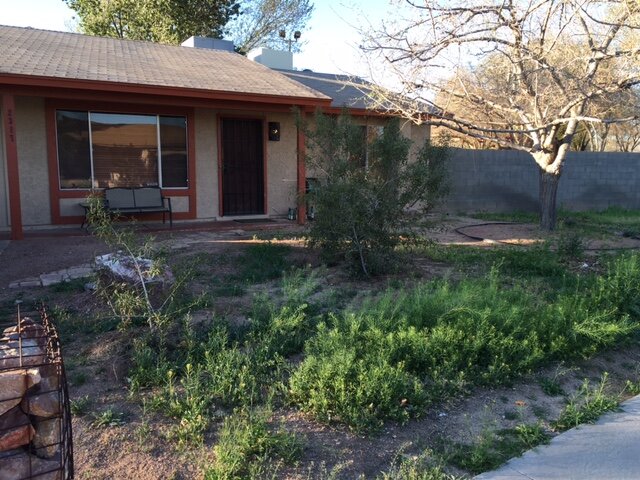
    Selling your house can be expensive. There are a number of things to pay for both before and after the sale. If these costs are particularly high, a direct sale (meaning no agent in between buyer and seller) will be a far better choice. In our latest post, we will dive into the costs of selling your house using the three most popular methods. Compare all of your options before selling your house!

    Costs Of Listing

    Agent Costs

    This will vary based on the agent you choose to hire and of course the market that you’re in. You will typically be paying about 6% of the final sales price to the agents involved in the deal. With some agents, you will also be responsible for the costs they incurred for marketing and administrative services. Be sure you know what’s included before signing a listing agreement.

    Marketing Costs

    Whether or not your agent includes marketing services in their rate, there are a few marketing costs you consider adding. For example, many sellers will hire a professional photographer to take pictures of their home. We recommend this as a best practice.  This small investment always seems to be a great investment.  Some agents will utilize videographers or even drone service companies to get aerial shots of a property. You might also want to upgrade your online listings to “premium” so they show up at the top of the web page when people are browsing through houses in your area.

    Repair Costs

    Most houses will require at least a few repairs and some updating before going on the MLS. Once a buyer has been found, there will likely be negotiations as to who makes the needed repairs uncovered during the inspection. You can negotiate to either make some of these repairs or discount the sale price of the home.  As the market softens, sellers are needing to be a bit more flexible here.

    Cleaning And Staging Costs

    Some sellers will have their homes professionally cleaned before putting them on the market. Many will remove personal belongings and clutter, storing all unessential personal items elsewhere else. It’s inconvenient but allows potential buyers to see themselves in a space once it has been depersonalized.  Some will even hire a professional stager to come in to make the house look as if it came out of the pages of a magazine.  This can cost in excess of $1,000 a  month or more and typically requires a contract of at least two months, so weigh the cost vs. benefit here.

    Closing Costs

    In a typical home sale, the seller will need to pay about 2% of the final sale price in closing costs. This in addition to 6% in commissions.   This can be negotiated up or down between the buyer and seller, but 2% is typically what you can expect to pay.

    Continued Ownership Costs

    Selling your house with a real estate agent can take a few months. And once a contract is signed it’s not uncommon for another 45 days to elapse before closing.  During this time, you will still be responsible for the property taxes, utility bills, homeowners insurance, maintenance, landscaping, and possibly a mortgage. When you add up all the expenses of owning the house each month, it can amount to thousands of dollars!

    Costs of FSBO (For Sale By Owner) Listing

    While trying to sell your house on your own will help you avoid commissions and agent costs, there are other costs to consider. In addition to many of the costs above, here are some additional costs to expect when selling your house.

    Escalated Marketing Costs

    When listing your house, the addition of extra marking is at your discretion. However, when you are selling on your own, 100% of the marketing is up to you. You will have to pay for all online listings, printed materials, signage, and open house costs. You will likely want a professional photographer to come in to help you present the house in the best light. You can also opt to add things such as virtual tours or videos of your property.

    House Preparation Costs

    Getting a house ready for a sale can take a lot of work. As with a listing, there are a number of things that will need to be done before the house is advertised for sale. You will need to thoroughly clean the house from top to bottom. You should make any needed repairs, and be prepared to make more after the inspection process. Many sellers will also face storage fees for their unnecessary items, as well as the cost of a professional stager or decorator.

    The Costs Of Your Time

    When you choose to sell the property on your own via an FSBO listing, you will find yourself spending what may feel like an inordinate amount of time managing the sales process. You will need to be available for showings, create listings and marketing materials, respond to questions, process paperwork, handle negotiations and more.

    Costs of Selling Directly

    None

    When you opt to sell your house to a buyer such as Property Cartwheel, you will be able to avoid all of the selling costs mentioned above. There are no fees, repair costs, or even closing costs. We buy directly, as-is, potentially saving you thousands of dollars along the way.  And of course, we can always help you list it.

    Do you want to avoid the costs of selling real estate in the traditional way? We are here to help! Contact us today to learn more! (866) 969-8102

  • Listing vs. a Direct Sale to a Real Estate Investor

    Listing vs. a Direct Sale to a Real Estate Investor

    If you want to sell your house, should you list it with an agent, or should you sell directly to a real estate investor? The best answer is… it depends. Everyone’s situation is unique, and that’s what determines the best option. So let’s look at some of the pros and cons of listing vs. a direct sale to a real estate investor. (more…)
  • How Vacant Properties Can Hurt You

    How Vacant Properties Can Hurt You

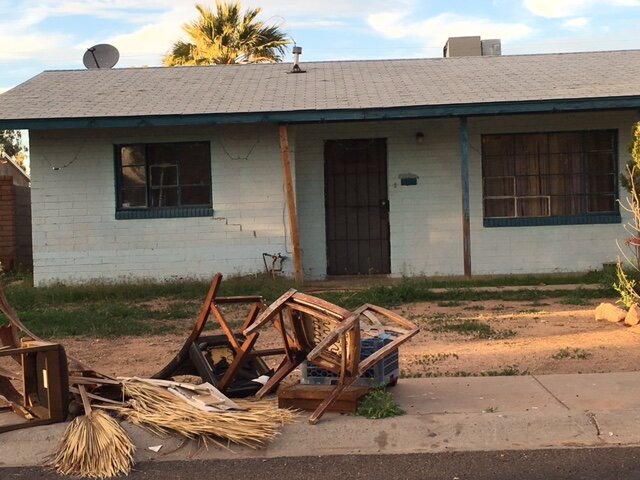
    A property is decidedly vacant if it has been unoccupied for six months or more.  And they’re usually not what we want to look at every day as neighbors.

    Overgrown yards, piled up mail, and general disrepair and unsightliness are all common visions most of us have when we think about them.  Vacant property problems prevail across the country, especially in older, industrial parts of the Midwest and Northeast. Increasingly, more areas in the West are seeing the consequences of unoccupied homes and how massive a burden they are to homeowners and municipalities.

    How Vacant Homes Affect Homeowners…

    There are many reasons a home becomes vacant. The owner passes, divorce, loss of job, medical conditions that lead to financial struggles, and many other circumstances force people to leave their properties behind. Tenants may move out and nobody takes their place.

    An empty or unwanted house is expensive and challenging to sell once its left behind. Vacant home owners must bear the expenses of an empty home including (but not limited to) taxes, insurance, mortgage payments, and various maintenance costs – as their name is on the deed. All that money for a home that nobody really calls their own!  There’s little wonder that, oftentimes, the owner just looks the other way until forced to act, especially if they live out of state. Out of sight, out of mind. And tracking these owners down can be tedious.

    And Neighborhoods…

    In many cases, vacant homes sit for years or wind up in foreclosure becoming a burden to mortgage companies that become responsible for the title. Then that burden gets passed on to local municipalities and taxpayers who collectively foot the bill for vacant and abandoned properties.  These homes have a major impact on the community: a single vacant home costs a community an average of $150,000 annually, a good portion of which is in lost property tax revenue which funds local schools.

    Vacant homes are usually eyesores which affect neighbors’ property values. After all, who wants to work or live next to the unkempt, overgrown place on the block? One ugly home brings down the appeal of surrounding homes and businesses in the neighborhood. Vacant properties are also hubs of crime, further degrading the quality of life for residents and their communities and increasing policing costs while decreasing safety.

    Selling a Vacant Home

    If you own an unoccupied home but no longer live nearby, it may be time to weigh your options for selling.  If you know of vacant homes, there are resources you can leverage to get them cleaned up FOR you that don’t cost you a cent.

    Conventional home sales may involve hiring and paying a realtor to facilitate the listing and marketing process. Selling to traditional buyers is certainly an option if your vacant property is in very good condition. That makes the preparing, staging and showing a lot easier and your chances of attracting interest higher. A hot market for sellers doesn’t guarantee a windfall return on investment or an appraisal at the price a buyer is willing to pay. Agent fees, commissions, inspection costs, repairs and other selling expenses add up quickly. Keep in mind too that it can take months or a year to sell your home the typical way, vacant or not.

    Selling a vacant home FSBO (For Sale By Owner) is another option but the odds of success are limited. Experienced home sellers may have luck because they understand the local market and buyers’ expectations, contracts, escrow and other processes. Some believe selling FSBO is all about saving money on selling costs. The reality is: most likely, this will be an uphill battle.

    Working with professional home-buying investors to sell your vacant home is a reliable alternative to selling the traditional way. Calling them about vacant properties you don’t own is also a very good way to leverage someone else’s money, expertise and owner locating resources to get blighted houses in your neighborhood cleaned up.  Cash buyers offer terms and benefits that others do not and typically are able to start addressing your problem neighbors very quickly

    Vacant homes are susceptible to infestation, leaks, mold and other states of neglect. Out-of-state homeowners may be unwilling or unable to make the repairs and preparations necessary for a home sale. Or, their goal is none other than to sell quickly and relieve themselves from future responsibility for the home. Cash buyers buy homes in any condition and the quick sale may be the best solution for avoiding the hassles of the conventional selling process or the expenses of continuing to own unoccupied real estate.

    Vacant homes are problematic for homeowners and their communities. If you need advice about selling a vacant property, we are your no-cost solution! Give us a call today: PropertyCartwheel.com works with homeowners like you to make offers on homes in any condition in 24 hours!  And we can close the deal in less than a week!

  • 3 Home Seller Mistakes To Avoid

    Educating yourself about the home selling process is very important. Best practice tips and tricks will help you along the way but in order to fully prepare for a successful sale, you should also know what not to do.

    Mistakes cost time and money. If you’re getting ready to sell your home, here’s a look at a few common ones to avoid making:

    #1 Not checking your emotions

    Letting go is hard to do. As a homeowner, it’s natural to feel attached to the home you’ve made memories in. Letting go can be extremely difficult for sellers, and their families, but it has to be done.

    The home selling process is challenging enough; allowing your emotions to influence important decisions only makes it harder on you and your chances for success. Remember, this is a business transaction.

    Try your best not to judge potential buyers and their concerns. Be prepared for anything. If someone wants to negotiate about something as minor as a chip in the paint, be patient and hear them out. On the other hand, if someone wants to make an offer on the spot, calm down and stay cool. There’s still a lot that needs to happen before closing a deal.

    Emotional sellers tend to overprice their homes. Instead of trusting the numbers generated by the market or advice of their agent, they get stubborn about value. Unfortunately, that doesn’t work with buyers. Most won’t even bother inquiring about a home that’s priced too high. If you have to, get online and look at other properties in the area and what they’re going for. Take advice from your realtor about price and don’t get offended if you think it’s too low.

    Surround yourself with friends, neighbors and professionals you trust. Their support allows you to put your energy and attention into being a home seller!

    #2 Selling As-Is

    It doesn’t matter if your home is 5 years new or 50 years old. Preparing your home for sale takes a lot of work. If you think you can show the house to potential buyers without fixing, repairing and tending to home inspection issues, think again. When buyers are the ones pointing out a problem that you can’t explain, you’ve made a mistake. Dysfunctional appliances, faulty plumbing or missing shingles on the roof allow them to demand a work order or negotiate against the asking price. Either take care of the problem beforehand or be ready to defend your home’s as-is condition.

    Repairs, cleaning and staging can be a big strain to the budget. Realistically, your home doesn’t have to be in better-than-new condition. It’s more important that you’re honest with buyers about your home’s condition. Avoid getting defensive and refusing to negotiate. Put yourself in their shoes. Would you want to purchase a home with broken air-conditioning? Why should they?

    #3 Assuming the sale

    In a perfect world, your home sells quickly and for asking price. Assuming your home will sell at all is a mistake. No matter how hot the market or how successful  the neighbors have been in selling their properties, you must respect the process. If you’re selling FSBO, beware the odds stacked against you. Only 9% of FSBO homes listed, actually end up selling.

    The home selling process is dynamic. Overly confident sellers have a tendency to check the boxes and then sit back and wait. They price it, list it, show it and expect to sell it. If there is a lack of interest, they tend to do nothing. Don’t be a spectator and don’t bank of your expectations. You have to figure out what isn’t working and take action in order to move forward with the sale

    Instead of assuming, start asking: Could I be marketing better? Should I lower the price? If months have gone by without serious interest you may want to consider alternatives to selling in the traditional buyers market.

    Home sellers have options. Property Cartwheel can help you with your home sale. Give us a call to learn more about selling your home fast!

  • 4 Benefits of Selling Your Home to a Professional Home Buyer

    If you need to sell your home you’re probably in the process of trying to find a good real estate agent, but have you considered selling it to a professional home buyer?

    If your house is in perfect condition and you’re not in a hurry to sell, it might be worth seeing if an agent can get you top dollar.

    But if that’s not the case, selling your property to a professional home buyer for cash can often be a much smoother process.

    From avoiding fees to handing off repairs, there are many benefits you might not have thought of.

    Here are 4 benefits of selling your home to a professional home buyer:

    1. Avoid Paying Realtor Fees

    When you sell your home to a professional home buyer for cash you don’t have to pay commission for the real estate agent, which is typically 6%.

    In fact, with a professional home buyer there are ZERO fees.

    Yep, that’s right. You don’t have to worry about closing costs, inspections, seller concessions, allowances, or any other fees.

    1. Skip Staging

    Getting your home staged and keeping it show-ready at all times can be expensive, not to mention stressful. That, and having people traipsing through your home on a regular basis isn’t exactly a good time.

    When you sell your property to a professional home buyer it’s as-is.

    1. No Repairs, No Setbacks

    Repairs can add up quickly and get quite costly. Things like replacing a roof or termite extermination can cost thousands of dollars.

    Some properties in disrepair can’t be financed by a bank until the repairs are made. A cash buyer doesn’t need bank approval.

    1. Get it Sold Quickly

    Since they’re paying in cash and there are no banks delaying the process, an investor can typically close in as little as a week.

    They can also be flexible on the closing date if you need it to be longer than that.

    Basically, you get to choose when you want to close.

    Talk about a pretty sweet deal.

    To learn more about how selling your house for cash works, click here. Or fill out the form below.

  • Selling My House for Cash

    Should you take a cash offer for your house?  Not always.

    Sold-HomeThat answer may surprise you coming from investors!  Sure, we buy houses and will tell you how to sell any property for cash – AND when you shouldn’t say no.  That’s our business. And of course, we are always looking for sellers who are a good fit.

    BUT, we will also tell you some reasons you might consider refusing a cash offer because we are only interested in the win-win.

     Selling Your House For Cash

    If you’re selling a property to an end buyer (the person living in the home), chances are good it won’t be bought with cash. Most transactions close with a bank loan because most buyers simply don’t have the liquidity to write a check for a house. This isn’t news. What may be news is that there ARE buyers, typically investors, who can purchase your house in a cash transaction.  So when is this not a good deal? Normally there are really only a couple of reasons why a homeowner who’s considering a cash sale wouldn’t explore this option.

    We will assume that at this point, the owner is either tired of the property and its headaches or is experiencing a financial difficulty and has few borrowing options. SO-Understand that an investor is looking to purchase a property at an after repair value (ARV) discount. Typically, an investor would want to purchase a property at 70-75% the ARV (will vary by market, but as a general rule of thumb) less the estimated cost of repairs. Why?  Because buying houses you’ve never lived in involves risks.  And sometimes investors lose a considerable amount of their money while alleviating the seller’s problems.  What an investor can’t be sure of is accurately ”

    And sometimes investors lose a considerable amount of their money while alleviating the seller’s problems.  What an investor can’t be sure of is accurately “guess-timating” (yes, sometimes there’s guessing involved) the cost of repairs as some are hidden, even to the homeowner, and some just aren’t disclosed.  Some properties have liens that need to be paid and labor and materials costs fluctuate, especially in a strong market.

    Do your homework.  If your house is updated (pricey) and in good condition, listing it may be your best option. Banks are more likely to finance an updated house and it’s more likely to appraise much higher, so the bank’s risk is lessened.  One of the largest expenses for an investor is updating kitchens and bathrooms and moving walls, even if the home is in good condition.  So when they’re not… It means investors take risks where banks won’t finance a buyer. Also, if you’ve got the option of renting your property and it generates cash flow sufficient enough to pay a property management company 10% of rent (land lording is hard!) AND still allows you to put funds aside for unexpected repairs, this may be worth exploring. Lastly, if an investor isn’t local you are less likely to receive your highest cash offer.

    All real estate is local.  Remember, an investor has to try to limit his or her exposure to risks and still try to earn a living by improving a property to where it’s retail ready.  And sometimes this is done sight unseen (scary stuff).  For that reason, remote investors must account for surprises, for the expense of travel to that market, and certainly sharing proceeds with a local partner who will handle the lion’s share of the improvements and securing a buyer or agent.  All those expenses would be deducted from what you could reasonably expect to be offered.   With that being said, there are certainly reasons to close transactions fast and that usually means with cash. It’s easy to let a bank share the risk, even if you have the money – but most sellers don’t have the luxury of that type of time.  At Property Cartwheel we don’t spread ourselves too thin so we can make quick home offers and meet our primary goal of creating a win-win solution.  Fast.

    The Benefits Of An All Cash Sale Of Your House

    The benefits of a cash sale are:

    • Have cash in hand and your loan balance (if any) paid off very quickly
    • Be done with the headache of land lording or collections
    • Pay no closing costs to sell
    • Save your credit and avoid foreclosure
    • Save time and effort

    You don’t have to deal with the hassles of waiting months for a buyer to get a mortgage, only to be told that the lender eliminated the program and you’re back to square one.

    You don’t have to list your house with a real estate agent & pay 6% of your sale price in commissions.

    You don’t have to deal with a parade of people in your home just “kicking the tires” and checking out your property for fun. We don’t waste your time. This is our business.

    You don’t need to paint, make repairs, or even clean up. We take properties just as they are. You won’t waste money on junk haulers or contractors or cleaning crews.

    You don’t need to deal with any paperwork. We have it all covered.  And we’re transparent.

    Working With A Reputable House Buyer / Investor

    Always make sure that your cash buyer is reputable.  Have they done business in your community?  Can they show proof of funds before asking you to sign a contract?  Are they local?  Property Cartwheel buys houses nationwide.   And we offer real references from past sellers and even some non-sellers we’ve helped because it was the right thing to do.  We can even show you examples of some of our latest projects and we’ll be happy to answer any questions you have so you’ll feel comfortable. We pride ourselves on treating every homeowner like a neighbor, wherever they live.  Our mission is to help homeowners across the country.   If you need to sell your house fast  and at a fair price, contact us.  We help improve and beautify neighborhoods one house at a time while taking care of the guesswork on your end. If you’re wondering about selling your house for cash anywhere in the U.S., we can help you.

    Give us a call anytime at (866) 969-8102 or fill out the form on this website today! >>