
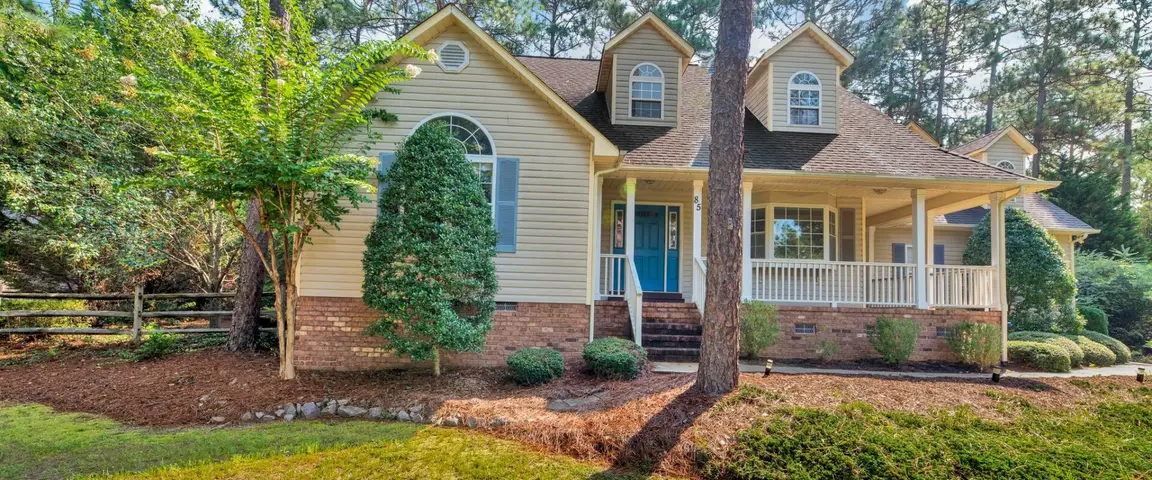
(And Why the Answer Is More Complicated Than You Think)
Let me save you a Google search full of vague, sanitized answers written by people who’ve never actually bought a house with cash.
I’ve bought several hundred of them. I’ve wholesaled them, fixed and flipped them, held rentals, and referred deals to other investors. I’ve been doing this for over a decade. I’ve made money. I’ve lost sleep (and money). I’ve opened walls and found things that made me question every life decision that led me to that moment.
So here’s the real answer.
Cash buyers make money by buying properties at a price that leaves room for repairs, holding costs, financing, resale expenses, risk, and profit for doing the work.
That’s it. That’s the whole model.
But understanding that sentence, I mean really understanding it, is where most people get lost.
A Cash Offer Is Not Just a Number. It’s more like a trade.
Here’s something most homeowners don’t think about when a cash buyer makes them an offer:
You’re not just selling a house. You’re making a trade. And a good buyer makes sure everyone understands the pros and cons.
You’re giving up some potential upside – key word being “potential” in the form of the equity you might get if everything went perfectly on the open market, in exchange for something else:
• Speed – no waiting months for a buyer’s lender to get their act together
• Certainty – no deals falling apart at the last minute
• Convenience – no open houses, no staging, no strangers walking through your bedroom
• Problem-solving – liens, back taxes, code violations, mold in the basement? Someone else’s headache now
• Relief – emotional, financial, or both
Some people read that list and think, “Yeah, but I’d rather just have more money.”
Totally fair. And for some sellers, listing on the open market is absolutely the right move.
But not every seller is in the same situation. And not every house is a simple listing waiting to happen.
“But Is It Fair?”
I get this question a lot, and here’s my honest answer:
It depends.
I know that’s unsatisfying. People want a clean yes or no. But fairness in real estate isn’t a fixed thing. It shifts based on the property, the seller’s situation, the buyer’s numbers, and whether everyone at the table actually understands the deal being made, and lastly, what eh seller WANTS.
Here’s the mistake people make: they assume every seller’s top priority is squeezing out every last dollar.
Sometimes it is. But sometimes a house is standing in the way of something the seller wants more.
Maybe they’re:
• Drowning under two mortgage payments
• Staring at an inherited house 800 miles away that they never wanted
• Exhausted from managing tenants who treat the property like a frat house
• Trying to outrun a foreclosure
• Sitting in a house full of memories from a marriage that ended badly
• Wanting to buy an RV and tour the country (true story)
• Just… done
I once bought a house where the seller originally asked $27,000. During the walkthrough, we found extensive mold and damage they didn’t know about. It was the kind of stuff that changes a conversation fast. The seller had deep emotional ties to the place. Couldn’t believe the condition it had been left it. She didn’t want to deal with it anymore. She dropped the price to $10,000 on her own. I didn’t push. She just wanted to be done. I still didn’t want the house at $10,000. It was that bad. But I arranged for a different buyer who didn’t mind all the risks.
Was that “fair”? To someone on the outside looking in, maybe not. But she made an adult decision based on what she valued most in that moment, and what she valued most was relief.
Fairness isn’t just about whether the number is lower than Zillow says. It’s about whether the seller understands the trade and chooses it willingly. A lot of people I talk to are beyond happy to sell.
Why Cash Buyers Don’t Pay Full Market Value (And Why They Can’t)
This is the part where homeowners sometimes get frustrated, so let me walk through it carefully.
A homeowner pulls up Zillow. They see a beautifully renovated house down the street that sold for $400,000. They look at their house in the same neighborhood, same square footage and think, “Mine should be worth that too.”
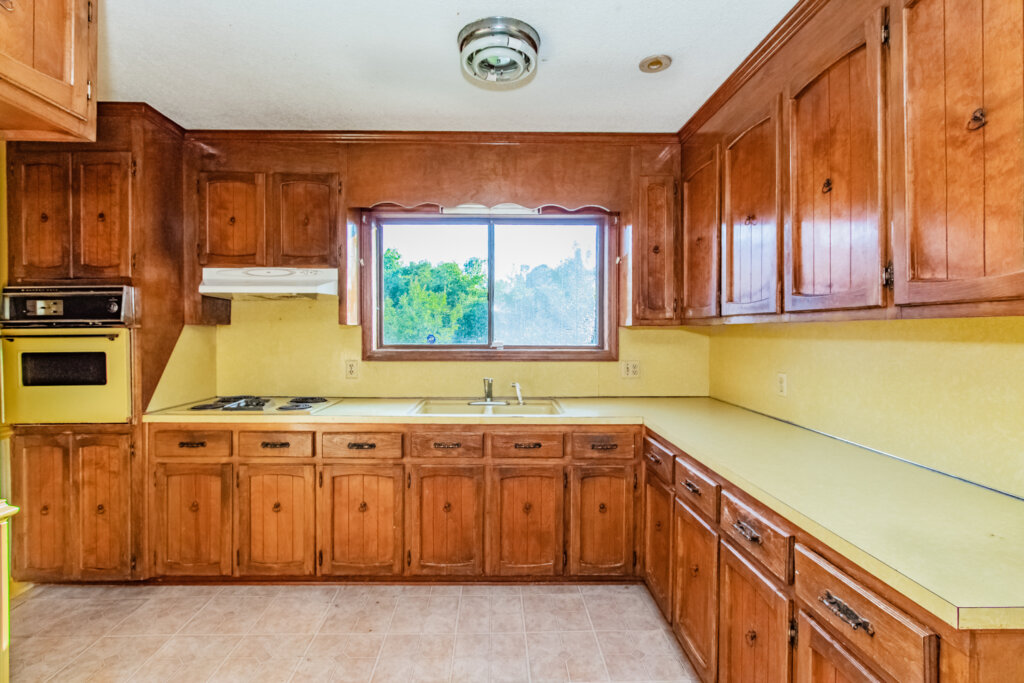
But here’s the thing: that house down the street is the finished product. Yours might be the before photo.
There’s a massive difference between retail value and as-is investor value.
Retail value is what a buyer pays for a home that’s move-in ready, financeable, beautiful, and competing in a normal market.
As-is investor value is what someone can pay while still covering everything it takes to turn a property into that move-in ready home.
Those are two very different numbers. And the gap between them isn’t profit but a mountain of expenses and unknowns.
Here’s What Lives Inside That Gap:
• Repair costs (the ones you know about)
• Hidden damage (the ones you definitely don’t)
• Holding costs — every month that house sits, it’s bleeding money
• Hard money or private lending costs
• Insurance, utilities, property taxes
• Permits and city delays
• Contractor issues (and oh, there will be contractor issues)
• Material price fluctuations
• Staging and marketing
• Agent commissions on the resale
• Buyer concessions
• Closing costs — twice
• Market risk
• And yes, profit because nobody goes to their job for free
Here’s something I’ll tell you straight:
In 11 years of flipping houses, I have never – not once – completed a project where nothing went wrong or over budget.
That’s not an exaggeration. That’s not me being dramatic for effect. Something always comes up. The roof is worse than it looked. The electrical panel is from 1962. The contractor vanishes mid-demo. The city sits on a permit for six weeks. The buyer’s inspector finds something nobody saw. Sometimes the buyer loses.
When you sell to a cash buyer, you’re not just selling a house. You’re handing someone the keys and saying, “Everything that goes wrong from here on out? That’s your problem now.” And they agree and say yes.